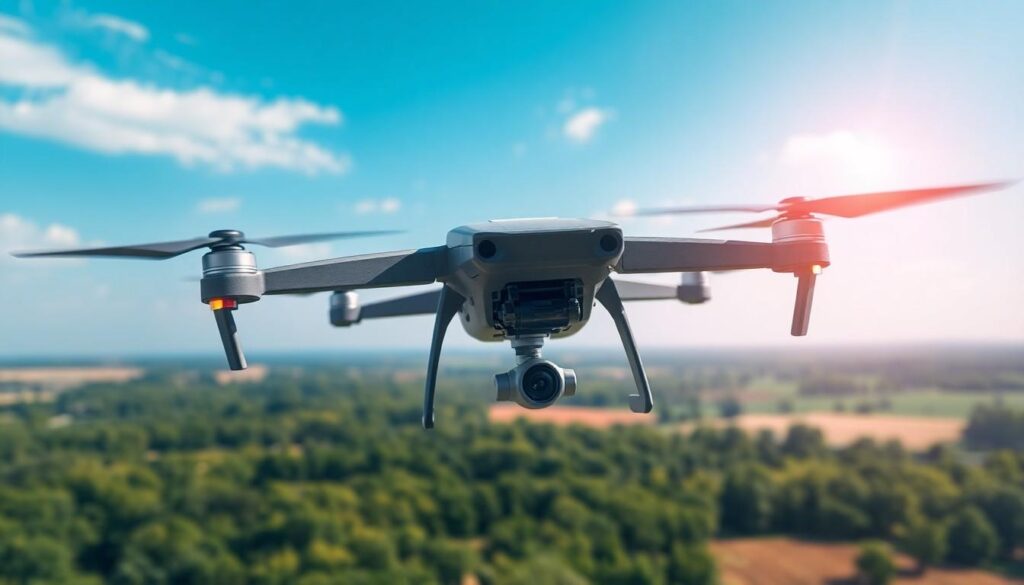
Drones have taken to the skies like kids on a sugar rush, and DJI is leading the charge with its sleek, high-tech models. But as the popularity of these flying gadgets soars, so do concerns about safety, privacy, and regulations. Will these beloved drones face the ultimate buzzkill and be banned?
Overview of DJI Drones
DJI, short for Dà-Jiāng Innovations Science and Technology Co., Ltd, stands as a prominent leader in the drone industry. Established in 2006, this Chinese company specializes in manufacturing consumer, professional, and commercial drones. Popular models, such as the Mavic series and Phantom series, showcase cutting-edge technology and user-friendly features.
Safety is a primary focus for DJI, incorporating advanced features into their drones, such as GPS stabilization and automatic return-to-home capabilities. These features enhance safety during flight and minimize the risk of accidents. Additionally, the use of high-quality cameras in DJI products appeals to photographers and videographers alike, enabling stunning aerial imagery.
Privacy concerns often arise alongside the increasing popularity of these drones. Critics cite the potential for unauthorized surveillance as a significant issue. In response, DJI has implemented measures such as geofencing, which restricts drone flight in certain areas, such as airports and military installations.
Regulatory agencies examine the impact of DJI drones on airspace and public safety. In various countries, regulations dictate drone usage, including registration, flight restrictions, and operational guidelines. Compliance with these regulations becomes essential for drone operators to avoid legal consequences.
Market trends indicate growing competition among drone manufacturers as technology continues to evolve. New entrants aim to match or exceed DJI’s innovations, potentially altering the industry’s landscape. Increased scrutiny on privacy and safety issues may also influence the demand for DJI drones in the coming years.
DJI remains a significant player in the drone sector, catering to hobbyists, professionals, and businesses. The balance between innovation, safety, and privacy will shape the future of DJI drones.
Current Legislation Surrounding Drones

Drones face various regulations at federal and state levels that affect their usage. These legislative measures aim to address safety and privacy concerns while enabling responsible drone operation.
Federal Regulations
The Federal Aviation Administration (FAA) oversees drone operations across the United States. Under the FAA’s Part 107 regulations, operators must obtain a Remote Pilot Certificate for commercial use. Compliance includes registering drones weighing more than 0.55 pounds. Operators must adhere to altitude limits of 400 feet and maintain visual line-of-sight during flights. Specific airspace restrictions require authorization before flying near airports. Enforcement of these rules ensures safety in shared airspace.
State Regulations
State regulations on drone usage vary significantly. Some states impose additional restrictions regarding flight near schools or hospitals. Others mandate drone registration and operator testing beyond federal requirements. Privacy laws may also apply, requiring operators to obtain consent for aerial photography in certain situations. For instance, California’s drone laws address invasive surveillance issues. Such regulations create a complex landscape for drone operators, demanding knowledge of both federal and state guidelines.
Concerns Over DJI Drones
Growing concerns surround the use of DJI drones, touching on security, privacy, and environmental consequences. Stakeholders emphasize the need for careful consideration.
Security and Privacy Issues
Security concerns arise with DJI drones due to unauthorized surveillance capabilities. Criminals might exploit these drones for illegal spying or data collection. Privacy advocates stress the importance of regulations that safeguard individuals from intrusive aerial photography. In several jurisdictions, laws require consent before capturing images or videos in private spaces, imposing further restrictions on drone operators. Data security also poses a risk; potential vulnerabilities may expose user data to hackers or unauthorized access. Overall, a stronger regulatory framework could address these privacy concerns and ensure responsible drone operation.
Environmental Impact
Environmental impacts factor into the ongoing conversation about DJI drones. Noise pollution from drone operations can disrupt local wildlife and affect ecosystems. Additionally, increased drone usage contributes to airspace congestion, complicating flight paths for commercial and recreational aircraft. The batteries used in drones also raise concerns regarding landfill waste. These lithium-ion batteries can harm the environment if improperly disposed of. Advocates for sustainable practices encourage manufacturers to explore eco-friendly alternatives in drone technology. Balancing innovation with ecological responsibility remains essential in shaping the future of drone use.
Potential Outcomes of a Ban
A ban on DJI drones may significantly shift the landscape of consumer drone usage. Consumers could face reduced access to high-quality drone models, limiting their options for photography, videography, and recreational flying. Increased costs may arise as remaining brands adjust their pricing strategies in response to decreased competition.
Impact on Consumers
Consumers may experience fewer choices in the drone market. Quality and affordability could decline due to a lack of competition. Additionally, hobbyists and professionals would find it challenging to replace advanced features found in DJI models. Stricter regulations may increase operational costs, discouraging new users from entering the drone community. Users seeking innovative technology might turn to alternatives but face difficulties in matching the capabilities and support that DJI offers.
Impact on the Market
A DJI ban might disrupt the broader drone market significantly. Competitors may struggle to fill the void left by DJI, especially in sectors such as filmmaking and agriculture. Industry leaders may adapt by focusing on regulatory compliance and enhancing security features to attract consumers wary of privacy concerns. Venture capital investments in drone technology may decline amid uncertainty, stifling research and development. Smaller manufacturers could benefit from the shift, gaining a larger market share but may lack resources to innovate effectively.
Alternatives to DJI Drones
Numerous manufacturers provide options for consumers looking to explore alternatives to DJI drones. Parrot, a prominent French drone company, offers models such as the Anafi, which features a compact design and high-quality camera capabilities. Autel Robotics also stands out with its EVO Lite series, known for impressive flight times and excellent image quality, making it suitable for both enthusiasts and professionals.
Yuneec presents the Typhoon H series, which includes advanced features such as obstacle avoidance and a six-rotor design for enhanced stability. This model appeals to users seeking robust performance in various environments. Skydio is another notable option, specializing in autonomous drones that excel in obstacle navigation, ideal for capturing dynamic shots without constant pilot input.
Unique’s Hexo+ drone provides a distinct approach with its focused features for action sports filming. Users can experience hands-free follow modes, giving them the freedom to capture their adventures seamlessly. Holy Stone targets the entry-level market with affordable models that serve beginners or those wanting a less complex flying experience.
A range of options exists for professional users as well. Companies like DJI, though often dominant, face increased competition from these innovative brands. Factors such as price, features, and customer support can heavily influence the decision-making process for consumers. Consequently, individuals seeking alternatives should consider various specifications before making a purchase.
The future of DJI drones remains uncertain amid rising concerns over safety and privacy. As regulations evolve to address these issues, the potential for a ban could reshape the entire drone landscape. Consumers may find themselves navigating a more limited market with fewer high-quality options available.
While alternatives to DJI exist, they may not fully match the performance and features that enthusiasts and professionals have come to expect. The ongoing dialogue between innovation, regulation, and consumer demand will be crucial in determining how the drone industry adapts.
As stakeholders work toward a balanced approach, it’s essential for drone operators to stay informed and engaged with the changing regulatory environment. The outcome will ultimately influence not just the availability of DJI drones but the future of drone technology as a whole.