In a world where drones are buzzing around like over-caffeinated bees, tau drones are taking the spotlight with a flair that’s hard to ignore. These high-tech marvels don’t just fly; they redefine what it means to soar. Whether it’s capturing stunning aerial shots or delivering packages faster than you can say “where’s my pizza,” tau drones are here to revolutionize the way we think about flight.
Imagine a drone that combines cutting-edge technology with a sprinkle of fun. Tau drones boast features that make them not just tools but companions in adventure. With their sleek designs and impressive capabilities, they’re ready to tackle everything from aerial photography to search-and-rescue missions. So buckle up as we dive into the fascinating world of tau drones, where innovation meets excitement, and every flight feels like a joyride.
Overview of Tau Drones
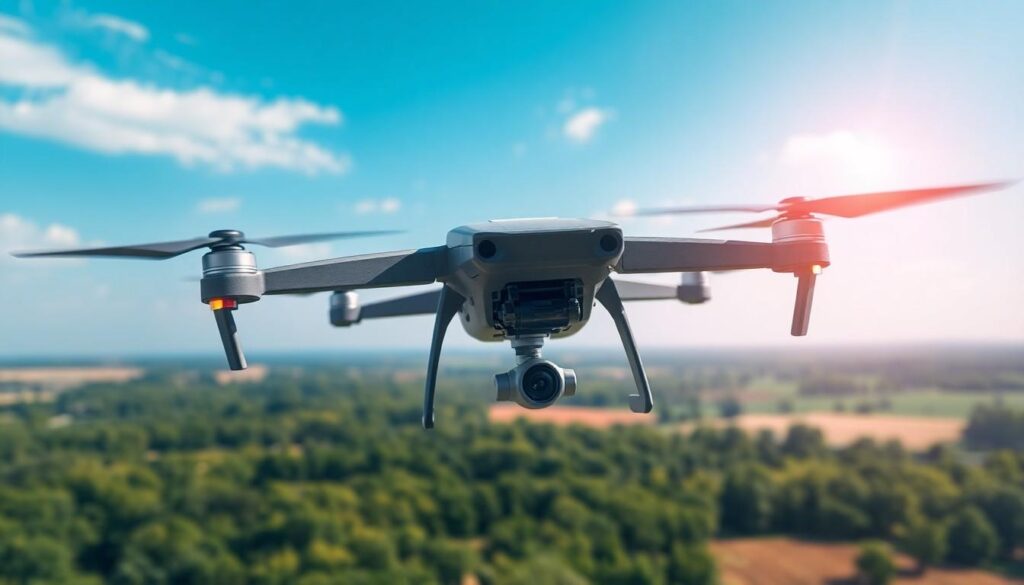
Tau drones feature advanced technology that enhances their performance and utility. These drones integrate cutting-edge navigation systems and high-definition cameras for impressive aerial photography. Users can capture stunning images and videos from unique perspectives that were previously difficult to achieve.
Safety remains a priority with tau drones. Equipped with obstacle avoidance sensors, these drones navigate complex environments effectively. This feature allows users to operate them confidently in various settings, reducing the risk of accidents.
Versatility defines tau drones. They cater to both recreational and professional needs, making them suitable for hobbyists, filmmakers, and industrial applications. Whether flying for fun or conducting serious work, these drones excel.
Battery life plays a crucial role in user experience. Tau drones often offer flight times exceeding 30 minutes on a single charge. This extended duration enables users to explore more without frequent interruptions.
Moreover, tau drones boast robust build quality and lightweight materials. Their design allows for easy transport and setup, making them ideal companions for adventure. Users appreciate their user-friendly interfaces, which facilitate quick learning and operation.
Customization options enhance the appeal of tau drones. Owners can modify settings and attach various accessories to tailor their flying experience. This flexibility attracts a diverse audience, from casual flyers to professional operators.
Tau drones stand out due to their blend of innovative features, safety, versatility, and user-centered design. Their capabilities create exciting opportunities for exploration and creativity in aerial activities.
Key Features of Tau Drones

Tau drones integrate advanced technology, enhancing both functionality and user experience. These drones offer features that elevate aerial capabilities for various needs.
Advanced Technology
Precision navigation systems enhance flight accuracy and reliability. High-definition cameras capture stunning visuals, making tau drones ideal for creative projects. Obstacle avoidance technology significantly reduces the risk of crashes, ensuring safe operation in diverse environments. Data transmission features allow real-time streaming, providing users with immediate feedback on their flights. Customizable settings let operators adjust controls for different scenarios, adding to the drones’ versatility.
Performance Metrics
Flight endurance often exceeds 30 minutes, maximizing exploration time on a single charge. Speed capabilities reach up to 40 mph, making them suitable for dynamic applications. Payload capacity typically supports additional accessories for specialized tasks. Range extends up to 2 miles, allowing users to undertake longer missions without losing connection. These metrics collectively ensure that tau drones deliver top-tier performance across recreational and professional uses.
Applications of Tau Drones
Tau drones serve a wide range of applications, showcasing their versatility and innovative technology. Various sectors benefit from their advanced capabilities, including commercial industries and military operations.
Commercial Uses
Many businesses utilize tau drones for tasks such as aerial photography, surveying, and package delivery. Filmmakers capture stunning visuals through high-definition cameras. In agriculture, farmers monitor crop health and optimize resource use with real-time data. Real estate agents leverage aerial shots to enhance property listings. Additionally, logistics companies streamline operations by employing tau drones for efficient package transport, ensuring timely deliveries to customers.
Military Applications
The military employs tau drones for reconnaissance and surveillance missions. These devices gather intelligence while providing real-time data in strategic operations. They enhance situational awareness by mapping and monitoring terrain. Troops benefit from tau drones equipped with advanced sensors and cameras, which contribute to mission success. Additionally, their lightweight design and durability allow seamless deployment in various environments, enhancing operational effectiveness.
Comparisons with Other Drone Models
Tau drones excel in various areas compared to other drone models currently available. Their flight time frequently exceeds 30 minutes, while many competitors offer less than 25 minutes. This distinction allows users ample opportunity for exploration without frequent recharging.
Furthermore, tau drones achieve speeds of up to 40 mph. In contrast, several popular drone models maintain lower speed limits, which can restrict performance in certain scenarios. The 2-mile range on tau drones provides extended operational capabilities, whereas some models only cover a distance of 1 mile.
Advanced technology sets tau drones apart as well. They incorporate precision navigation systems, ensuring accurate flights even in challenging environments. Obstacle avoidance sensors frequently found in tau drones enhance safety, while other models may lack comparable features, increasing the risk of mishaps.
High-definition cameras on tau drones offer remarkable aerial photography capabilities. Many competitors’ cameras may produce lower resolution images, limiting visual quality. Data transmission features on tau drones enable real-time streaming, providing instant feedback that enhances the user experience. Some alternative drones do not support this functionality, making them less effective for immediate aerial assessments.
Customization options enhance tau drones’ appeal as users can modify settings according to personal preferences. While various other models provide some degree of customization, tau drones present a wider range of options, making it easier for individuals to tailor their flying experience.
Robust build quality combined with lightweight materials contributes to the tau drones’ versatility. Competitors may compromise on durability or transportability, which can hinder practicality for users. User-friendly interfaces in tau drones simplify operation, encouraging quick learning curves for novice flyers. Other models might require a more steep learning process, which could deter potential users.
Overall, tau drones offer superior performance, innovative features, and user-centered design compared to many alternatives in the market.
Future Prospects of Tau Drones
Innovations in tau drone technology promise exciting advancements. Researchers are working on enhancing battery efficiency, potentially increasing flight times beyond 40 minutes. They focus on integrating artificial intelligence for improved navigation and obstacle detection. Expect these enhancements to make tau drones even safer and more autonomous.
Market applications for tau drones are expanding. Industries are exploring partnerships to leverage their aerial capabilities. Agricultural sectors might increasingly adopt tau drones for precision farming, monitoring crop health in real time. Real estate agencies continue utilizing tau drones, enhancing listings with stunning aerial footage that captivates prospective buyers.
Collaboration with tech firms may lead to further advancements. Integration of 5G technology could facilitate real-time streaming and data transmission. This connectivity would enable operators to manage multiple drones simultaneously from remote locations.
Customization options will likely become more sophisticated. Users might enhance their flying experience with modular accessories. This level of flexibility could attract broader audiences, from hobbyists to commercial operators.
Regulatory developments may also impact future prospects. Authorities are expected to establish clearer guidelines for commercial drone use. Such regulations could streamline operations and promote safer integration into national airspace.
Overall, tau drones are poised for significant growth, with advancements in technology, expanded applications, and increased regulatory clarity. The market will likely witness a surge in demand as industries recognize their unique capabilities.
Tau drones represent a remarkable fusion of advanced technology and practical application. Their impressive flight times and speeds make them ideal for both recreational and professional use. With features like high-definition cameras and obstacle avoidance systems, these drones offer a safe and enjoyable flying experience.
As the market evolves, tau drones are likely to see further innovations that enhance their capabilities. Their versatility across various sectors—from agriculture to military operations—demonstrates their potential to revolutionize industries. With ongoing advancements in technology and regulatory clarity on the horizon, tau drones are set to become essential tools for those seeking adventure and efficiency in aerial activities.