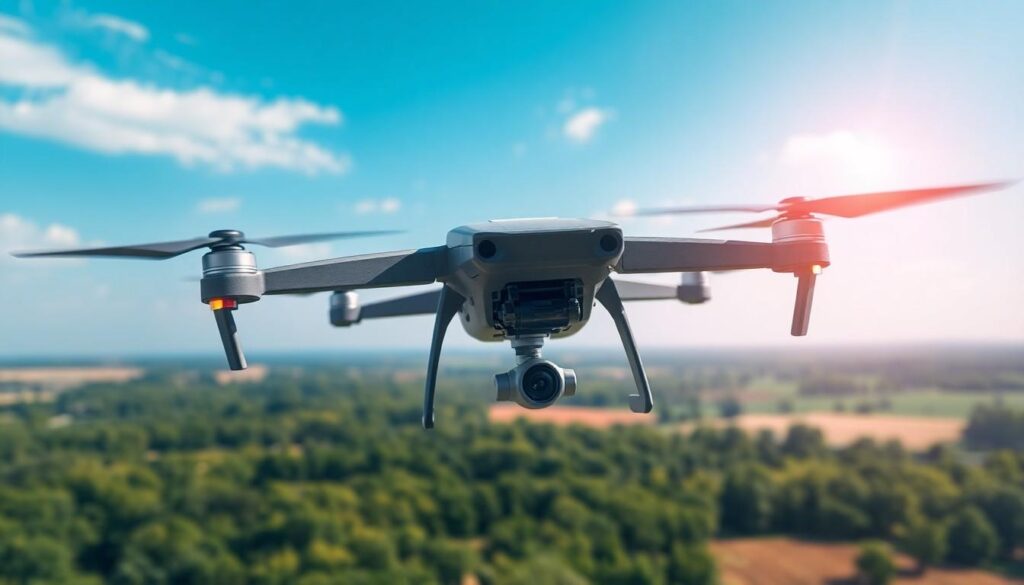
In a world where every second counts and efficiency reigns supreme, inspection drones are the superheroes we never knew we needed. Forget about climbing ladders or squinting through binoculars; these high-flying gadgets swoop in to save the day, inspecting hard-to-reach places faster than you can say “Where’s my hard hat?”
Overview of Inspection Drones
Inspection drones serve as critical tools for various industries, offering innovative solutions for efficient monitoring. Equipped with high-resolution cameras and sensors, they capture detailed images and data from locations that are often inaccessible. Many organizations leverage these drones to enhance safety, reduce inspection time, and cut operational costs.
Industries utilizing inspection drones include construction, energy, agriculture, and infrastructure. In construction, drones assess site conditions, track progress, and identify safety hazards. Energy companies deploy drones to monitor power lines, wind turbines, and solar panels efficiently, ensuring optimal performance.
Data collection capabilities of inspection drones extend beyond visuals. Advanced sensors can measure temperature, humidity, and structural integrity, providing comprehensive insights. Drones process vast amounts of data quickly, enabling real-time decision-making.
Regulations govern drone flights, ensuring safety and compliance. The Federal Aviation Administration (FAA) outlines specific guidelines for commercial drone use, requiring pilots to hold a remote pilot certificate. These rules help standardize practices across industries, promoting risk management.
Inspection drones are invaluable for aerial mapping and surveying. They create 3D models and generate topographic maps, which aid in planning and executing projects accurately. By using drones, companies access data previously gathered through lengthy ground surveys, streamlining workflows.
Innovation continues to drive the development of inspection drones. New technologies, such as artificial intelligence, enhance data analysis and automate aerial inspections. As the industry evolves, drones are set to become even more integral in maintaining and managing infrastructure effectively.
Applications of Inspection Drones

Inspection drones offer diverse applications across various sectors, proving crucial for efficient oversight and maintenance.
Industrial Inspections
Industrial facilities utilize inspection drones for monitoring equipment and assessing safety conditions. These drones efficiently inspect hard-to-reach areas like rooftops and storage tanks, reducing the need for scaffolding or ladders. High-resolution images and video allow operators to identify potential issues early. For instance, thermal imaging sensors detect overheating equipment, sparing costly repairs and downtime. Drones play a vital role in inspections of oil rigs, wind turbines, and manufacturing plants, ensuring compliance with safety regulations. Data collected from these inspections supports quick decision-making, enhancing operational efficiency.
Infrastructure Monitoring
Infrastructure monitoring relies heavily on inspection drones to evaluate bridges, roads, and railways. Drones provide comprehensive aerial assessments, allowing engineers to detect structural weaknesses or signs of wear. This real-time data collection improves safety efforts and maintenance planning. For example, 3D mapping capabilities help create detailed models of infrastructure for more informed decision-making. By conducting periodic inspections, agencies can prioritize repairs and allocate resources effectively. Drones help maintain transportation networks, reducing disruptions and improving public safety.
Advantages of Using Inspection Drones
Inspection drones provide distinct benefits across various industries by enhancing operational efficiency and safety. Their innovative design and advanced technology streamline inspection processes, making them a superior choice to traditional methods.
Cost-Effectiveness
Cost efficiency represents one significant advantage of using inspection drones. Drones reduce the need for scaffolding and ladders, significantly cutting labor costs. They minimize equipment rental expenses and decrease the time spent on inspections, which leads to savings. Many companies find that drones accomplish tasks faster than manual inspections, resulting in increased productivity. The ability to collect data quickly also enables timely decision-making that can prevent costly delays or repairs.
Improved Safety
Employing drones markedly improves safety during inspections. By minimizing human exposure to hazardous environments, drones effectively reduce risk. Inspecting hard-to-reach areas, such as high-rise buildings and power lines, without physical presence decreases accidents. Real-time data collection from drones allows for immediate identification of potential hazards, enabling proactive measures. Companies can maintain a safer workforce while ensuring compliance with safety regulations. Using drones, organizations prioritize well-being, decreasing incidents and boosting overall operational reliability.
Challenges and Limitations
Inspection drones face several challenges and limitations that can impact their overall effectiveness. Understanding these obstacles helps industries navigate the complexities of drone usage.
Regulatory Constraints
Regulations set by the Federal Aviation Administration (FAA) impose specific guidelines on drone operations. Compliance with these regulations often restricts flight paths and altitudes, especially near airports or populated areas. Pilots must acquire remote pilot certificates, ensuring they understand safe flying practices. Additional requirements may include insurance and operational restrictions based on the drone’s weight class. Adhering to these regulations can complicate deployment but ensures safety and accountability in drone operations.
Technical Limitations
Technical challenges also affect inspection drone performance. Battery life typically limits flight time to around 20 to 30 minutes, necessitating frequent recharging. Weather conditions pose another hurdle, as wind, rain, and low visibility can restrict drone usage and lead to inaccurate data collection. Additionally, drones may struggle with signal loss in complex environments, such as urban areas with high buildings or dense foliage. Maintaining advanced equipment, including high-resolution cameras and sensors, is crucial for accurate inspections but can increase operational costs and complexity.
Future Trends in Inspection Drones
Emerging technologies continue to shape the future of inspection drones, enhancing their capabilities and applications. Integration of artificial intelligence is a significant development, as it optimizes data analysis and automates inspection processes. Advanced algorithms analyze captured images and data efficiently, identifying issues that might escape human observation.
Development of lighter materials for drone construction improves performance. These materials increase flight times and payload capacities, enabling drones to carry more sophisticated sensors and cameras. High-resolution imaging technology is evolving, delivering even clearer visuals that assist inspectors in making informed decisions.
Implementation of 5G connectivity is becoming more prevalent, providing faster data transmission. Real-time uploads of inspection data enhance collaboration between teams, allowing for immediate assessments and actions. Remote operations also benefit from enhanced connectivity, reducing the need for physical presence on-site.
Adoption of drone swarming technology is another trend to watch. Multiple drones can operate simultaneously, enacting coordinated inspections across vast areas. This capability drastically reduces the time required to survey extensive infrastructure, such as pipelines or power lines.
Regulatory advancements are also on the horizon. As regulatory bodies refine guidelines, opportunities for expanded drone usage increase. Greater flexibility in regulations will pave the way for innovative applications, making it easier for industries to deploy drones in various scenarios.
Inspection drones are set to revolutionize how industries approach monitoring and maintenance. Continuous innovation makes these tools more efficient, safer, and effective in ensuring infrastructure integrity.
Inspection drones are transforming the way industries approach monitoring and maintenance. By providing real-time data and high-resolution imagery, they enhance safety and efficiency while significantly reducing operational costs. As technology continues to evolve, these drones will play an even more critical role in ensuring infrastructure integrity across various sectors.
With advancements in artificial intelligence and connectivity, the future of inspection drones looks promising. They’re not just tools for today but essential assets for tomorrow’s industries. As regulations adapt and technology improves, the potential applications for inspection drones will only expand, solidifying their place as indispensable resources in modern inspections.