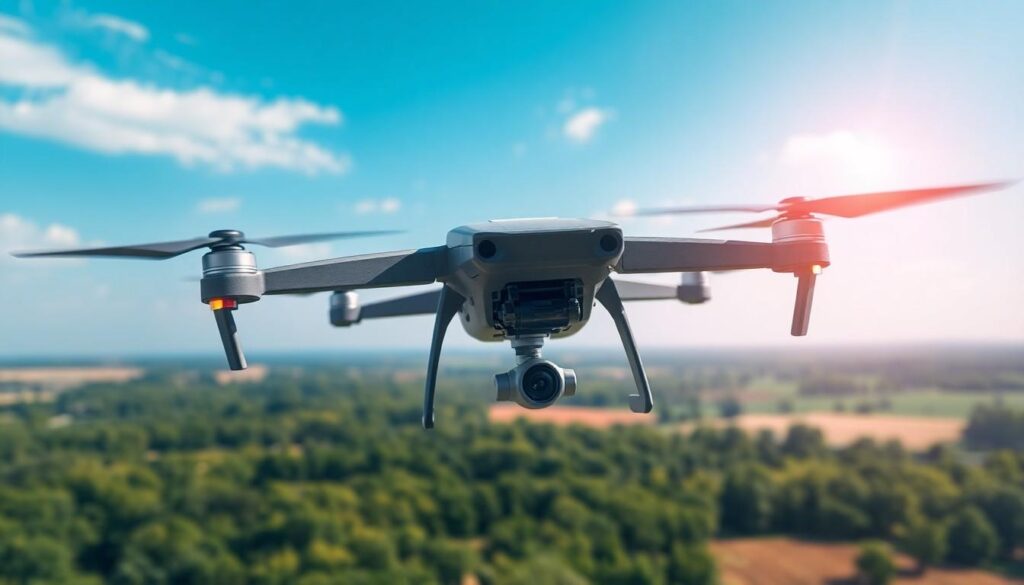
Indoor drones are revolutionizing the way people think about flying gadgets. Gone are the days of clumsy flights and accidental crashes into the living room chandelier. These nimble little machines are designed for precision, making them perfect for navigating tight spaces and dodging household obstacles like that ever-elusive cat.
Overview of Indoor Drones
Indoor drones, often called quadcopters, offer advanced technology designed for flight in restricted environments. These devices typically feature enhanced stabilization systems, ensuring smooth operation indoors. Navigation capabilities include obstacle avoidance sensors that allow them to maneuver around furniture and other items efficiently.
Flight times for most indoor drones range from 10 to 30 minutes, depending on the model and battery capacity. Various manufacturers provide options with different control interfaces, including smartphone apps and dedicated remote controllers.
Indoor drones serve multiple purposes, from aerial photography and videography to obstacle course racing. Students use them for educational projects, while hobbyists enjoy flying them for leisure. Brands such as DJI, Parrot, and Ryze offer leading models known for reliability and performance.
Safety features play a crucial role in indoor drone design. Many come equipped with propeller guards and emergency stop functions, minimizing risks during operation. Furthermore, noise levels have been reduced in recent models, making indoor flights less disruptive.
Customization options increase appeal. Users can modify drones with attachments like cameras or sensors, broadening their functionality. Compact designs enable convenient storage and transport, making these drones practical for various environments.
As indoor technology continues to evolve, new models regularly integrate updated features, enhancing usability. Continuous advancements in drone technology ensure indoor drones remain an exciting area for innovation and exploration.
Types of Indoor Drones

Indoor drones come in various types, each designed for specific applications and environments. Understanding these types helps users choose the right drone for their needs.
Mini Drones
Mini drones are compact and lightweight, perfect for indoor use. These models typically feature easy maneuverability, making them suitable for navigating small spaces. Flight times generally vary from 5 to 15 minutes based on battery size. Some mini drones come equipped with built-in cameras, allowing users to capture aerial photos and videos. Brands like DJI and Parrot offer notable options in this category, emphasizing portability and user-friendly designs. Customization options frequently include colorful shells or unique stickers, appealing to younger audiences and hobbyists.
Racing Drones
Racing drones focus on speed and agility, making them popular for indoor racing events. These drones often feature powerful motors and streamlined designs for maximum performance. Many racing drones come with advanced control systems, enabling precise handling during fast-paced maneuvers. Flight durations typically range from 8 to 20 minutes, depending on battery specifications. Equipped with FPV (first-person view) cameras, pilots experience real-time streaming of the drone’s perspective, enhancing the thrill of competition. Leading brands in this field provide customizable parts, allowing enthusiasts to build and refine their racing machines.
Key Features of Indoor Drones
Indoor drones exhibit several noteworthy features that enhance their functionality and usability. Understanding these aspects is essential for choosing the right model.
Camera Quality
Camera quality varies among indoor drones, impacting the capability for aerial photography and videography. Many models include built-in HD cameras, offering resolutions of 1080p or higher. Some drones allow users to adjust camera settings, optimizing shots for light conditions. Features like image stabilization further improve picture clarity during flight. Higher-end options may support 4K video capture, appealing to content creators in need of superior footage. Enhanced low-light performance is also a consideration for indoor use, ensuring quality imagery even in dim spaces. Overall, camera specifications influence a user’s decision based on intended applications.
Flight Time
Flight time plays a crucial role in the performance of indoor drones. Most models achieve flight durations of 10 to 30 minutes, depending on battery capacity and weight. Flight times often reflect usage scenarios; for instance, drones with heavier payloads typically experience shorter flights. Several manufacturers offer interchangeable batteries, allowing users to extend flying sessions without significant downtime. Factors such as flight altitude and speed can also affect how long a drone stays airborne. Some advanced drones feature power-saving modes, optimizing battery life during extended applications. Understanding flight times helps users plan more effective flying experiences.
Benefits of Using Indoor Drones
Indoor drones offer several advantages that enhance their usability and appeal. Safety ranks as a top benefit, with many models featuring propeller guards and emergency stop functions, reducing risks during indoor flights. Flexibility in applications also stands out; these devices serve diverse purposes ranging from aerial photography to educational projects.
In terms of ease of operation, many indoor drones use intuitive control interfaces like smartphone apps or dedicated remote controllers, catering to both beginners and experienced users. Enhanced stabilization systems play a crucial role, ensuring stable flight paths even in tight spaces.
Compact designs contribute to their practicality, allowing for easy storage and transportation. Flight times typically range from 10 to 30 minutes, offering sufficient duration for various activities. Notably, brands like DJI and Parrot consistently deliver reliable drones, reinforcing user trust and satisfaction.
Customization options greatly enhance functionality. Users can modify their drones with attachments such as cameras or sensors, tailoring their devices to specific tasks. Low noise levels from recent models promote quieter operations, making indoor flying less disruptive to daily activities.
When considering performance, many drones offer advanced camera capabilities, with built-in HD cameras achieving resolutions of 1080p or even 4K. Image stabilization and low-light performance further improve quality for photography and videography.
Affordability adds to their appeal. A range of models caters to different budgets, ensuring numerous options for prospective buyers. Easy accessibility and user-friendly designs make these drones suitable for students, hobbyists, and professionals alike.
Popular Indoor Drone Models
Various indoor drone models excel in performance and versatility, catering to different user needs and applications. Below are two notable options.
Model A
DJI Tello stands out as a top choice for beginners and students. It’s lightweight, weighing just 80 grams, making it easy to handle in tight spaces. Equipped with a 5MP camera, it captures quality images and 720p video. Flight time reaches up to 13 minutes, a reasonable duration for indoor use. The fun features, such as programmable flight paths and compatibility with educational applications, make it engaging. Control can occur through a smartphone app, enhancing user experience with an intuitive interface. The compact design allows for straightforward storage after each session.
Model B
Parrot Mambo offers robust capabilities in a small package. This drone features a 720p camera and can perform flips and rolls, appealing to those interested in fun and dynamic flying. Flight stability is ensured by its advanced stabilization system, making indoor navigation seamless. Users benefit from a flight time of about 10 minutes, ideal for short sessions. With the ability to add attachments like a grabber or cannon, this drone excels in versatility. A dedicated controller provides an enhanced gaming-like experience, contributing to its user-friendly operation. The Mambo combines excitement and functionality for hobbyists and novices alike.
Indoor drones have transformed the way enthusiasts and professionals engage with aerial technology. With their advanced features and user-friendly designs, these flying gadgets offer a unique blend of safety and functionality. Whether for photography, racing, or educational purposes, indoor drones cater to a wide range of interests.
As technology continues to advance, the future of indoor drones looks promising. Innovations in battery life, camera quality, and control systems will likely enhance the flying experience even further. This evolving landscape makes indoor drones an exciting choice for anyone looking to explore the skies within the comfort of their home or designated indoor spaces.