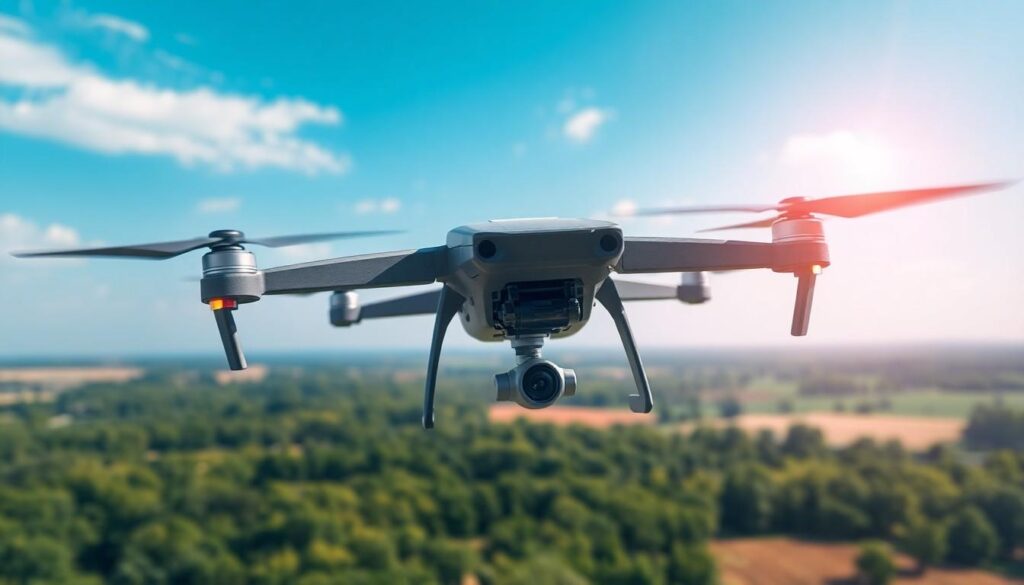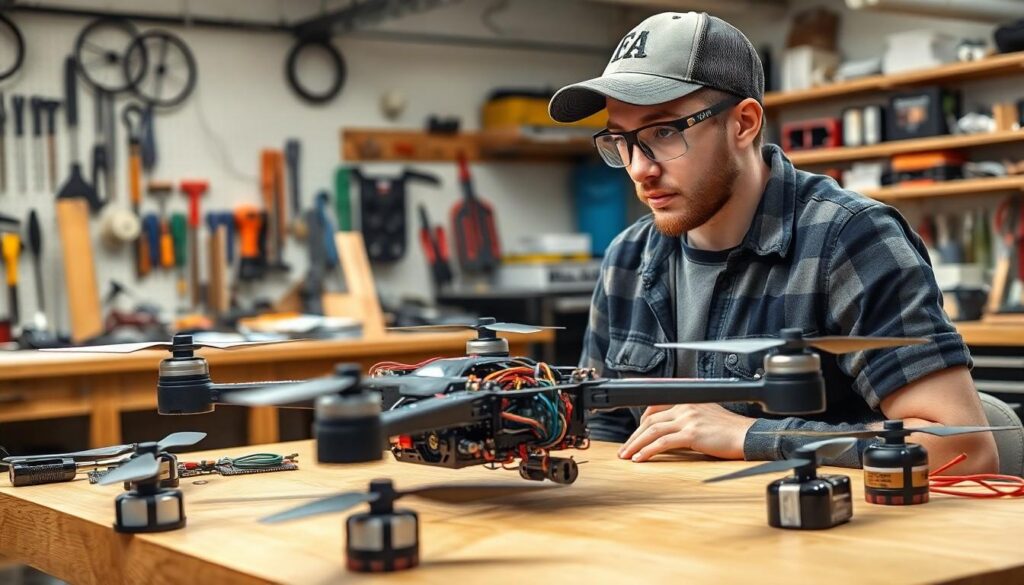
Drones are no longer just for tech enthusiasts or those with deep pockets. With DIY drones, anyone can unleash their inner engineer and take to the skies. Imagine crafting your own flying machine, complete with quirky designs and personalized features. It’s like building a model airplane but with the added thrill of actually soaring above the ground.
Overview of DIY Drones
DIY drones offer an accessible entry point for individuals interested in unmanned aerial vehicles. Creating a drone from scratch allows enthusiasts to customize components according to personal preferences. Kits often include essential parts such as frames, motors, and flight controllers, making assembly straightforward.
Many hobbyists appreciate the educational aspect of DIY drones. Building a drone fosters a deeper understanding of aerodynamics, electronics, and programming. This hands-on approach encourages problem-solving skills and enhances technical literacy.
Several online communities and resources exist to support DIY drone builders. Forums provide platforms to share experiences, troubleshoot issues, and exchange tips. Videos on various platforms offer step-by-step instructions, allowing users to visualize the assembly process.
Different types of DIY drones cater to various interests and applications. Racing drones appeal to speed enthusiasts, while aerial photography drones attract those interested in photography. Moreover, educational drones serve as tools for students learning about technology and engineering concepts.
Safety considerations play a significant role in drone building. Following local regulations ensures responsible flying, minimizing risks to people and property. Keeping in mind safety measures during the building and flying process fosters a responsible DIY drone culture.
Many builders find joy in personalizing their drones. Upgrades offer opportunities for improved performance, such as enhanced battery life or better cameras. The potential for modification ignites creativity, inspiring builders to innovate continuously within the expanding world of DIY drones.
Benefits of Building Your Own Drone

Building a DIY drone offers several significant benefits. Individuals enjoy hands-on experiences while enhancing their technical skills.
Cost-Effectiveness
DIY drones often prove more affordable than purchasing pre-assembled models. By selecting individual components, builders can optimize spending based on their budgets and desired features. Basic kits frequently provide essential parts at lower prices, making entry into drone construction financially viable. Avoiding the premium associated with branded models enables enthusiasts to save money while still achieving impressive performance. Over time, cost savings add up, allowing for future upgrades and modifications without strain on finances.
Customization Options
Customization options stand out as a key benefit of DIY drones. Enthusiasts tailor components to meet specific needs and preferences. From camera selection to frame size, every aspect can reflect personal tastes. Builders often choose unique designs that highlight creative expression and innovation. This flexibility creates opportunities for experimenting with different functionalities, such as incorporating various sensors or upgrades. As a result, each DIY drone becomes a personal project, reflecting the vision and goals of the individual builder.
Essential Components for DIY Drones
Understanding the essential components of DIY drones enables builders to create a functional flying machine tailored to their needs. Each part plays a critical role in ensuring optimal flight performance and customization.
Frame and Structure
Frames provide the foundational structure of the drone and determine its weight capacity. Materials such as carbon fiber, plastic, and aluminum are popular choices due to their strength and lightweight characteristics. Builders often select a frame based on the intended use, whether racing or aerial photography. Specific designs allow for additional mounts for cameras or sensors, enhancing versatility. A well-constructed frame contributes to the drone’s stability and aerodynamics. Each frame type has features that cater to different flying styles.
Motors and Propellers
Motors serve as the driving force behind the drone’s movement. Choosing brushless motors typically offers better efficiency and lifespan than brushed options. Propellers, paired with motors, dictate the drone’s lift and maneuverability. Preferences for propeller size and pitch vary according to flight patterns and goals. Larger propellers generate more lift, while smaller options may enhance speed and control. Matching the right motor to propeller size ensures optimal performance. Builders often consult specifications to optimize their setup, resulting in smooth, responsive flying.
Battery and Power Supply
Batteries provide the energy necessary for flight. Lithium polymer (LiPo) batteries are favored for their high energy density and lightweight properties. Proper battery capacity affects flight time and overall performance, with common options ranging from 2,000mAh to 5,000mAh. Voltage levels should match the drone’s motor requirements for effective power supply. Additionally, connectors and balance chargers play essential roles in ensuring safe and efficient charging. Different configurations enable builders to select batteries that enhance performance while maximizing flight duration. Proper battery management improves drone reliability and longevity.
Step-by-Step Guide to Building a DIY Drone
Creating a DIY drone involves careful planning and assembly. This guide covers essential steps for successfully building your custom aerial vehicle.
Planning Your Design
Begin with defining the purpose of the drone. Identify specific features like camera capability for aerial photography or speed for racing. Sketch a basic design to visualize the layout, including components such as the frame, motors, and battery placement. Choose a suitable frame material that balances weight and durability. Consider size, as it affects both flight characteristics and portability.
Select compatible components that work together seamlessly. Research motor specifications to ensure they match the planned propeller size and battery capacity. Keep in mind weight limits, as drones require efficient energy usage for optimal flight time. Compile a list of components before moving to the assembly stage.
Assembling the Components
Gather all necessary parts, including the frame, motors, electronic speed controllers (ESC), flight controller, battery, and propellers. Start by installing the motors onto the frame, ensuring they align correctly with the propeller mounts. Secure each motor with screws or mounts provided in the kit.
Next, connect the ESC to each motor, taking care to follow the instructions closely. Install the flight controller at the center of the frame, as this component manages stability during flights. Use zip ties or double-sided tape for securing cables and components neatly. Finally, attach the battery, ensuring it’s easily accessible for charging while being securely fastened.
Testing and Calibration
Conduct initial tests in a controlled environment. Power on the drone and observe the responses of each motor. Check that all propellers spin that ensures no obstructions exist. If motors behave erratically, troubleshoot by rechecking connections and configurations.
Calibrate the flight controller for stability. Input specific parameters based on the drone’s weight and components. Perform a pre-flight check to verify battery levels, control surfaces, and transmission signals. Test flight in an open area is essential for evaluating its handling. Adjust settings or component placements based on performance outcomes to achieve desired flight dynamics effectively.
Popular DIY Drone Projects
Many enthusiasts explore various DIY drone projects that resonate with their interests. Racing drones, built for speed, attract builders interested in competitive flying. These drones often feature lightweight frames and high-performance motors, enhancing agility during races. Aerial photography drones, designed for capturing stunning visuals, utilize advanced stabilization technology for smooth footage. Enthusiasts tailor these drones with gimbals and high-resolution cameras.
Freestyle drones appeal to those who enjoy acrobatic maneuvers. These projects focus on agility and response, allowing pilots to showcase their skills through flips and rolls. Additionally, delivery drones have gained traction as a practical project. Builders customize these drones to transport small packages efficiently, merging technology with utility.
Another popular project involves building drones for educational purposes. Students gain hands-on experience in aerodynamics and electronics by creating simple drones. Such projects foster critical thinking and problem-solving skills, enriching their understanding of flight dynamics.
Mini drones also capture interest, especially for indoor flying. With compact designs, enthusiasts can experiment with different components while practicing control in smaller spaces. Customizing these mini drones forms a creative outlet, encouraging innovation in a limited environment.
Solar-powered drones represent a cutting-edge project option. Builders integrate solar panels, allowing for extended flight times through renewable energy. This endeavor promotes sustainability while enhancing technical expertise.
Collaborative projects expand community ties. Groups often come together to build drones for specific community needs, such as search and rescue, showcasing practical applications of technology. Engaging in these collaborative efforts strengthens skills and fosters camaraderie among drone enthusiasts.
DIY drones open up a world of possibilities for enthusiasts of all skill levels. By building their own drones individuals can explore creativity while gaining valuable technical knowledge. The accessibility of kits and online resources fosters a supportive community where builders can share experiences and troubleshoot challenges.
With a range of projects from racing drones to aerial photography enthusiasts can find a niche that excites them. As technology evolves the DIY drone landscape will continue to grow encouraging innovation and personal expression. Embracing this hobby not only enhances skills but also brings the joy of flight within reach for everyone.