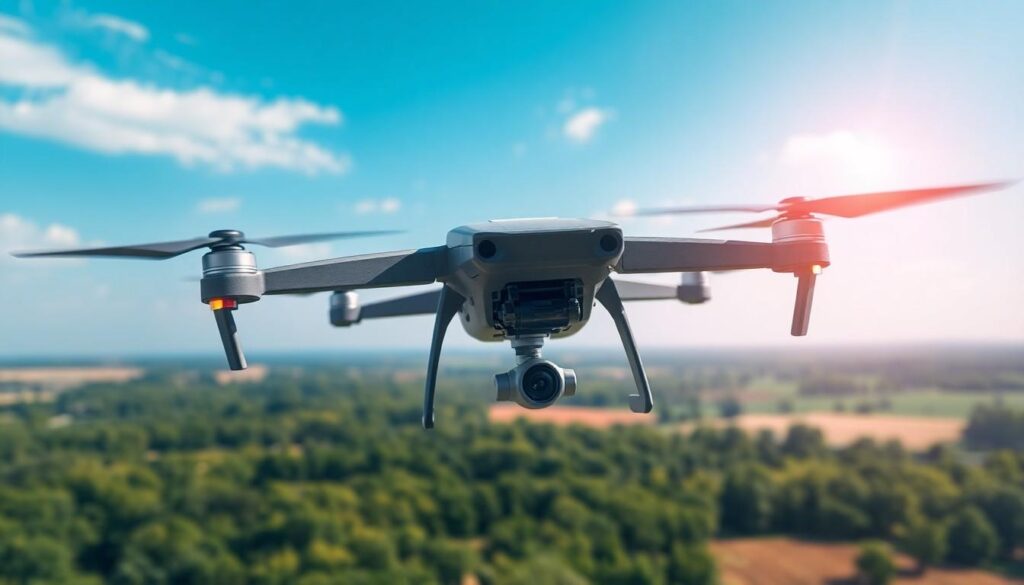
Imagine a world where your packages arrive faster than you can say “where’s my order?” Enter cargo drones—the futuristic delivery heroes ready to revolutionize logistics. These flying marvels aren’t just for show; they’re here to save time, reduce congestion, and maybe even deliver your pizza before it gets cold.
With the rise of e-commerce and the increasing demand for speedy deliveries, cargo drones are taking to the skies like a flock of overachieving pigeons. They promise to tackle challenges that traditional delivery methods can’t, all while adding a sprinkle of excitement to the mundane task of receiving packages. So buckle up and get ready to explore how these airborne wonders are reshaping the way goods reach our doorsteps.
Overview of Cargo Drones
Cargo drones represent a significant advancement in the logistics and delivery sectors. These unmanned aerial vehicles offer rapid transportation of goods, addressing the rising demand for timely shipping. Various industries, including e-commerce and healthcare, have begun integrating cargo drones into their supply chains.
Multiple companies are actively testing and deploying cargo drones. Amazon, for example, is developing systems capable of delivering packages in under 30 minutes. Companies such as Zipline are already utilizing drones for delivering medical supplies in remote regions, showcasing the technology’s potential benefits.
Drones designed for cargo transport come in various forms and capacities. Some models can carry loads of up to 500 pounds, significantly reducing reliance on conventional delivery methods. Speed and efficiency further enhance their appeal, with drones capable of traveling at speeds of over 60 miles per hour.
Challenges do exist in the implementation of cargo drones. Regulatory hurdles and safety concerns remain prominent, as air traffic management systems lack established protocols for these vehicles. In addition, the need for robust infrastructure at delivery points is crucial for maximizing efficiency.
Data indicates that the global cargo drone market is expected to reach $2 billion by 2027, highlighting the growing interest in this technology. As innovations continue, cargo drones stand poised to reshape how goods are transported, making logistics more agile and responsive.
Types of Cargo Drones

Cargo drones can be distinguished into two primary categories: fixed-wing drones and multirotor drones. Each type possesses distinct characteristics suitable for various logistical needs.
Fixed-Wing Drones
Fixed-wing drones are designed for long-distance transport. They can cover significant distances at high speeds, making them ideal for shipments requiring rapid delivery over vast areas. Capable of carrying larger payloads, these drones can transport packages weighing up to 500 pounds. Their aerodynamic design contributes to enhanced flight efficiency and reduced energy consumption. Some models utilize runways for takeoff and landing, facilitating operations in remote locations. Companies often deploy fixed-wing drones for critical deliveries, such as medical supplies across rural regions.
Multirotor Drones
Multirotor drones excel in versatility and maneuverability. With multiple rotating blades, these drones can hover and navigate tight spaces effectively. They often carry smaller payloads, typically up to 100 pounds, making them suitable for urban deliveries. Easy to deploy, this type of drone commonly operates without the need for runways or extensive infrastructure. Companies leverage multirotor technology for last-mile deliveries, enabling rapid access to challenging or congested areas. Enhanced features like obstacle avoidance also increase their operational safety, making them a popular choice in the logistics industry.
Applications of Cargo Drones
Cargo drones find diverse applications across multiple sectors, reflecting their versatility and efficiency in enhancing logistics.
Delivery Services
E-commerce companies leverage cargo drones for swift package delivery. Amazon aims to use drones for delivering parcels in under 30 minutes. This innovation addresses the growing demand for rapid shipping. Drones significantly reduce delivery times compared to traditional methods. Zipline demonstrates the technology’s effectiveness by providing timely deliveries of medical supplies in remote areas. Fast, efficient logistics through drones improve customer satisfaction and streamline the supply chain.
Medical Supply Transport
Cargo drones revolutionize medical supply transport, particularly in underserved regions. They ensure timely delivery of crucial medications and vaccines. Regulatory bodies in several countries support this initiative to enhance healthcare access. In emergencies, drones can reach remote healthcare facilities that conventional vehicles cannot access. As a result, organizations utilizing drones improve response times in critical situations, potentially saving lives. The integration of drones in medical logistics marks a significant advancement in public health efforts.
Agricultural Use
In the agricultural sector, cargo drones serve essential roles in monitoring and resource distribution. Farmers utilize drones to assess crop health and optimize irrigation. These unmanned vehicles transport supplies, including fertilizers and seeds, directly to the fields. Their ability to cover large areas quickly enhances operational efficiency. Moreover, this technology minimizes labor costs while maximizing productivity. Drones streamline farm management, allowing for precise application and reducing waste.
Advantages of Cargo Drones
Cargo drones present several advantages that enhance logistics and delivery efficiency across various sectors. Their integration into supply chains clearly showcases their potential.
Cost Efficiency
Cost efficiency stands out as a major benefit of using cargo drones. Companies can significantly lower transportation expenses through reduced labor and fuel costs. Traditional delivery methods often incur overhead from vehicle maintenance and staffing, whereas cargo drones automate logistics, minimizing these expenses. The operational costs of drones, particularly in remote or hard-to-reach areas, decrease because they eliminate the need for extensive road networks. Research indicates that logistics costs could drop by up to 30% with drone incorporation. Overall, utilizing cargo drones optimizes spending and increases profit margins.
Speed of Delivery
Speed of delivery plays a crucial role in the appeal of cargo drones. Capable of flying at speeds over 60 miles per hour, drones ensure rapid transport of goods. In many instances, businesses using cargo drones achieve package deliveries in less than 30 minutes, greatly outpacing traditional methods. For urgent deliveries, such as medical supplies, the ability to bypass traffic and reach destinations directly proves invaluable. Adopting cargo drones allows companies to meet the rising demand for fast shipping, satisfying customer expectations. Market growth predictions highlight a thriving future for logistics and delivery systems centered around speed and efficiency.
Challenges Facing Cargo Drones
Cargo drones face significant hurdles that could impact their adoption and effectiveness in logistics. Understanding these challenges is crucial for advancing this technology.
Regulatory Hurdles
Regulatory hurdles present obstacles for cargo drones. Approval processes for airspace use remain complex, often leading to delays in deployment. Agencies like the Federal Aviation Administration (FAA) set strict guidelines for commercial drone operations, including certification requirements. Lack of standardized regulations across regions creates inconsistencies, complicating international operations. Compliance with safety protocols and privacy concerns also impacts operational viability. Substantial resources are necessary for companies to navigate this regulatory landscape effectively.
Technical Limitations
Technical limitations affect cargo drone capabilities. Payload capacities vary, with many drones unable to transport heavier items, thus restricting use cases. Battery life poses challenges, as current technology limits flight time, often requiring multiple recharges for longer deliveries. Weather conditions can also impede operations; strong winds and heavy rain may reduce flying safety. Additionally, precise navigation systems are critical, as unexpected obstacles can disrupt delivery routes. Addressing these limitations is essential for maximizing the efficiency of cargo drone services.
Cargo drones are revolutionizing the logistics landscape with their ability to deliver goods swiftly and efficiently. As industries increasingly adopt this technology the potential for enhanced supply chain operations becomes clear. The integration of cargo drones not only meets the growing demand for rapid deliveries but also addresses critical challenges in various sectors.
While obstacles like regulatory issues and technical limitations remain, ongoing advancements promise to unlock even greater capabilities. The future of logistics looks bright with cargo drones leading the charge towards more agile and responsive delivery systems. As this technology evolves it will undoubtedly play a pivotal role in shaping how goods are transported across the globe.