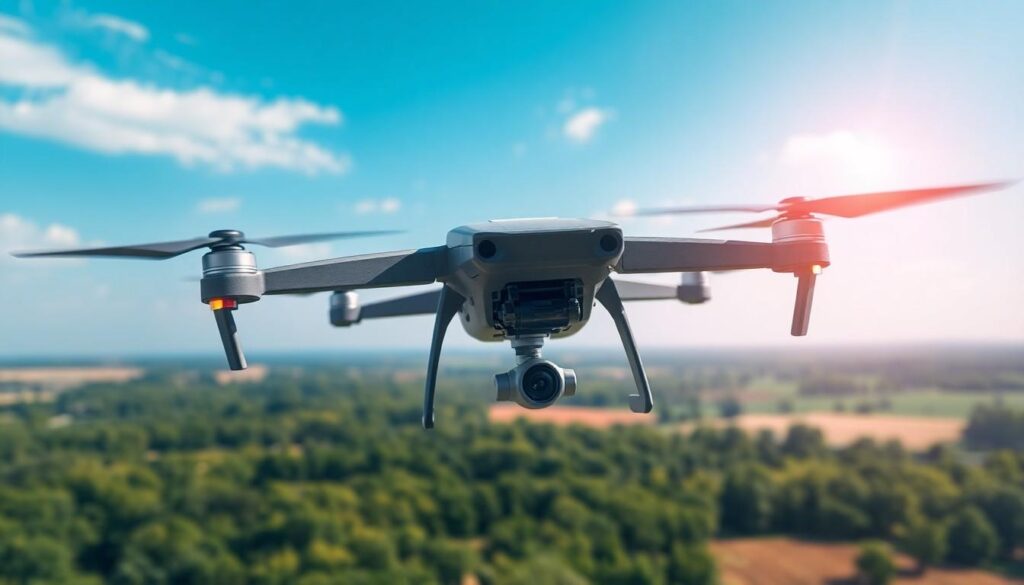
Drones have taken to the skies, transforming everything from photography to deliveries. But with great altitude comes great responsibility. Enter Remote ID for drones—the superhero cape that helps keep our airspace safe and sound. Imagine a world where drones can’t just zip around like rogue bees; instead, they play nice and follow the rules, all while their flight paths are tracked like a GPS-enabled puppy.
Overview of Remote ID for Drones
Remote ID for drones plays a crucial role in airspace safety. This technology enhances operational transparency and accountability for drone operators.
What Is Remote ID?
Remote ID functions as a digital license plate for drones. It transmits identification and location data in real-time to authorized entities. Operators must equip their drones with Remote ID capabilities, enabling easy tracking during flights. This system highlights critical information including the drone’s registration number and flight path, contributing to a safer flying environment.
Importance of Remote ID
Importance of Remote ID cannot be overstated. This technology improves situational awareness for air traffic management, helping to prevent potential collisions. Law enforcement agencies can monitor drone activities, ensuring compliance with regulations. Additionally, Remote ID supports innovation in drone delivery and other applications by fostering trust among stakeholders. By implementing this system, the industry enhances safety measures across various sectors.
Technical Aspects of Remote ID

Remote ID enhances drone safety by providing real-time identification and location data to authorized parties. This technology promotes transparency in drone operations while ensuring compliance with existing regulations.
How Remote ID Works
Remote ID operates through the transmission of essential information such as drone identification, position, velocity, altitude, and controller location. This data sends to nearby receivers, including law enforcement and other relevant entities. The information is transmitted using broadcasting or networked methods. Devices like smartphones or dedicated ground stations receive signals, allowing for immediate identification of drones within a specific airspace. Visibility of drone operations improves public safety and facilitates law enforcement response in case of incidents.
Types of Remote ID Systems
Three primary types of Remote ID systems exist: broadcast, networked, and a combination of both. Broadcast systems transmit the drone’s information directly via radio signals, ensuring accessibility to anyone within range. Networked systems connect drones to internet-based services, offering enhanced data capabilities and centralized monitoring options. Hybrid systems utilize both broadcasting and network connectivity to provide redundancy and extensive reach. Each system type caters to varied operational needs, ensuring adherence to safety regulations while promoting seamless integration into the national airspace system.
Regulatory Framework
Regulatory frameworks surrounding Remote ID for drones play a crucial role in shaping safe and responsible airspace usage. These frameworks aim to support innovative applications while ensuring safety and accountability.
FAA Remote ID Regulations
The Federal Aviation Administration (FAA) has established rules for Remote ID implementation in the United States. Effective from September 2023, all drones weighing over 250 grams must comply. Regulations mandate remote operators to transmit specific information, including drone identification, location, and altitude. Enforcement is supported through penalties for non-compliance, ensuring adherence. Drones equipped with Remote ID technology enhance safety for both operators and the public, thus fostering operational transparency.
International Perspectives on Remote ID
Globally, perspectives on Remote ID vary significantly. Many countries, including Canada and the European Union, follow similar practices to enhance drone safety and integrate uncrewed aircraft within national airspaces. Dynamic regulations exist, catering to local airspace needs while enforcing identification requirements. International collaboration fosters the sharing of best practices and technological advancements, bolstering collective air safety. The diverse regulatory approaches underscore a growing recognition of the importance of Remote ID in maintaining order as drone usage expands.
Benefits of Remote ID for Drones
Remote ID significantly enhances safety and accountability for drone operations. By providing real-time tracking and identification, it ensures safer interactions in shared airspace.
Enhanced Safety
Safety benefits from Remote ID manifest through real-time data sharing. Drones transmit essential information, including identification, location, and altitude to nearby receivers. This timely data enables swift responses from authorities in emergencies, reducing risks of collisions and unauthorized flights. The transparency provided by Remote ID allows operators and regulators to collaboratively monitor drone activities. Systems that utilize both broadcast and networked methods further reinforce safety, creating a layered security approach. Compliance with Federal Aviation Administration regulations, effective from September 2023, aligns drone operations with national safety standards. Sustained adherence to such protocols fosters public trust and encourages responsible flying behaviors.
Improved Accountability
Accountability flourishes as Remote ID holds operators responsible for their flights. Tracking each drone’s path provides clear documentation, which can be referenced by law enforcement during incidents. Such accountability deters potential misuse of drones. Compliance with regulations like those outlined by the FAA provides a framework for behaviors and responsibilities. Each drone must transmit identifiable information, promoting a standard of conduct among operators. By monitoring airspace effectively, stakeholders can identify recurring issues and address them promptly. Global alignment on Remote ID standards enhances international cooperation and accountability regarding drone operations. These frameworks ensure that operators understand their obligations, creating a safer aerial environment.
Challenges and Concerns
Remote ID for drones presents several challenges and concerns, particularly regarding privacy and technical limitations. Addressing these issues is vital for successful implementation and acceptance among stakeholders.
Privacy Issues
Concerns about privacy arise from the real-time transmission of location and identification data. Individuals worry about unauthorized entities tracking drone movements and operators. Maintaining user anonymity while ensuring accountability proves challenging. Drones could become tools for surveillance if not properly regulated. Balancing regulatory requirements with personal privacy rights necessitates ongoing dialogue among stakeholders. Legislation should focus on safeguarding sensitive information while still supporting safety measures.
Technical Limitations
Technical limitations pose another significant challenge for Remote ID systems. Not all drones possess the necessary hardware for seamless integration. Existing communication infrastructure may not support the consistent data transmission required. Signal interference and range constraints can hinder effectiveness in urban environments. Regulatory bodies must address compatibility with various drone models to ensure compliance across the board. Continuous updates and improvements to technology must align with evolving operational needs.
Remote ID for drones represents a significant advancement in ensuring safety and accountability in the rapidly evolving drone industry. By providing real-time tracking and identification, it not only enhances public safety but also fosters trust among operators and regulators. As regulations continue to shape the landscape, the benefits of Remote ID will likely outweigh the challenges, paving the way for innovative applications in various sectors.
The ongoing dialogue about privacy and technical limitations will be crucial in refining these systems. With collaboration among stakeholders, Remote ID can become a cornerstone for responsible drone operations, ultimately contributing to a safer and more efficient airspace for all.